Drawing and Painting Full-Time Program
About this course
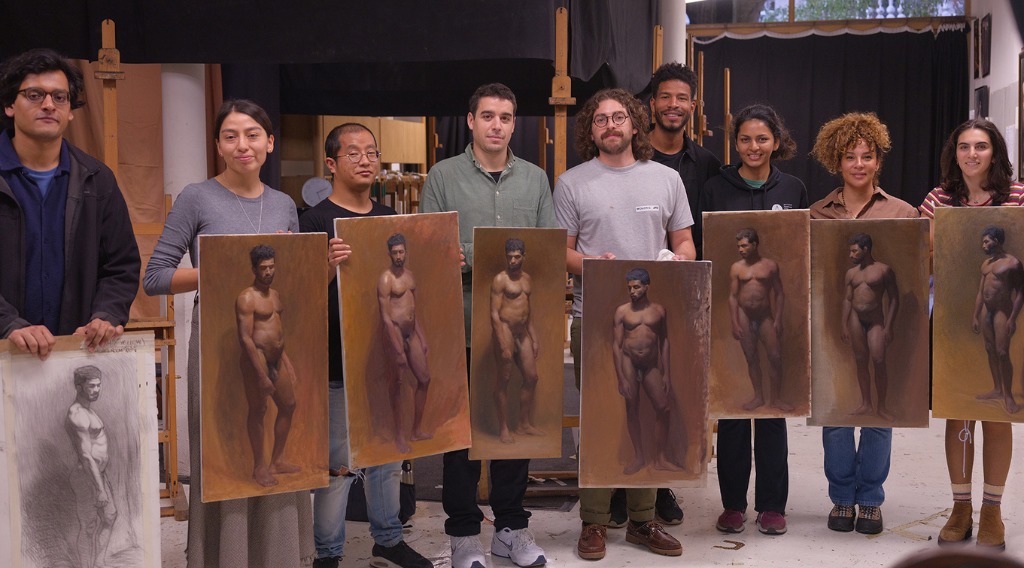
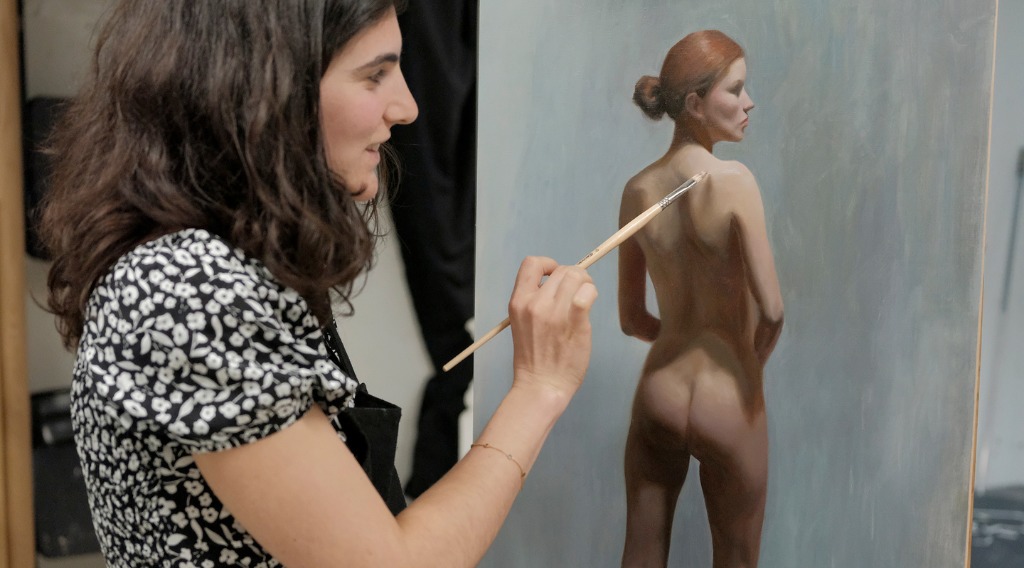
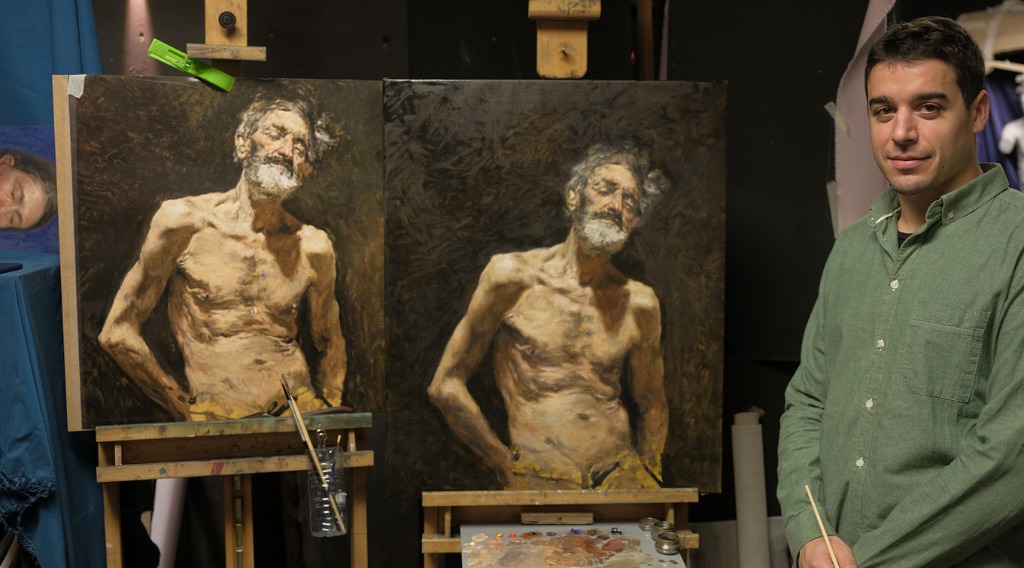
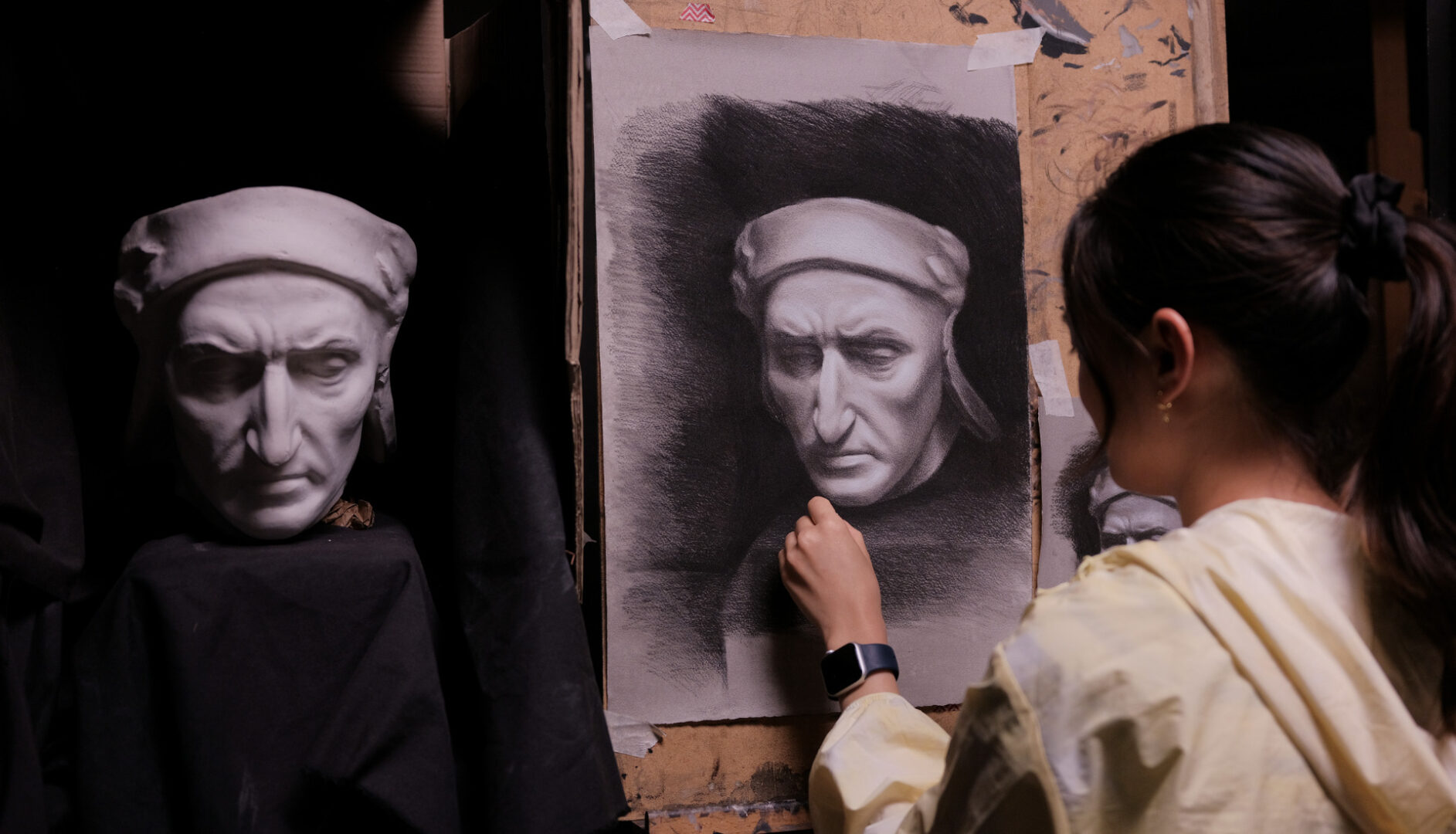
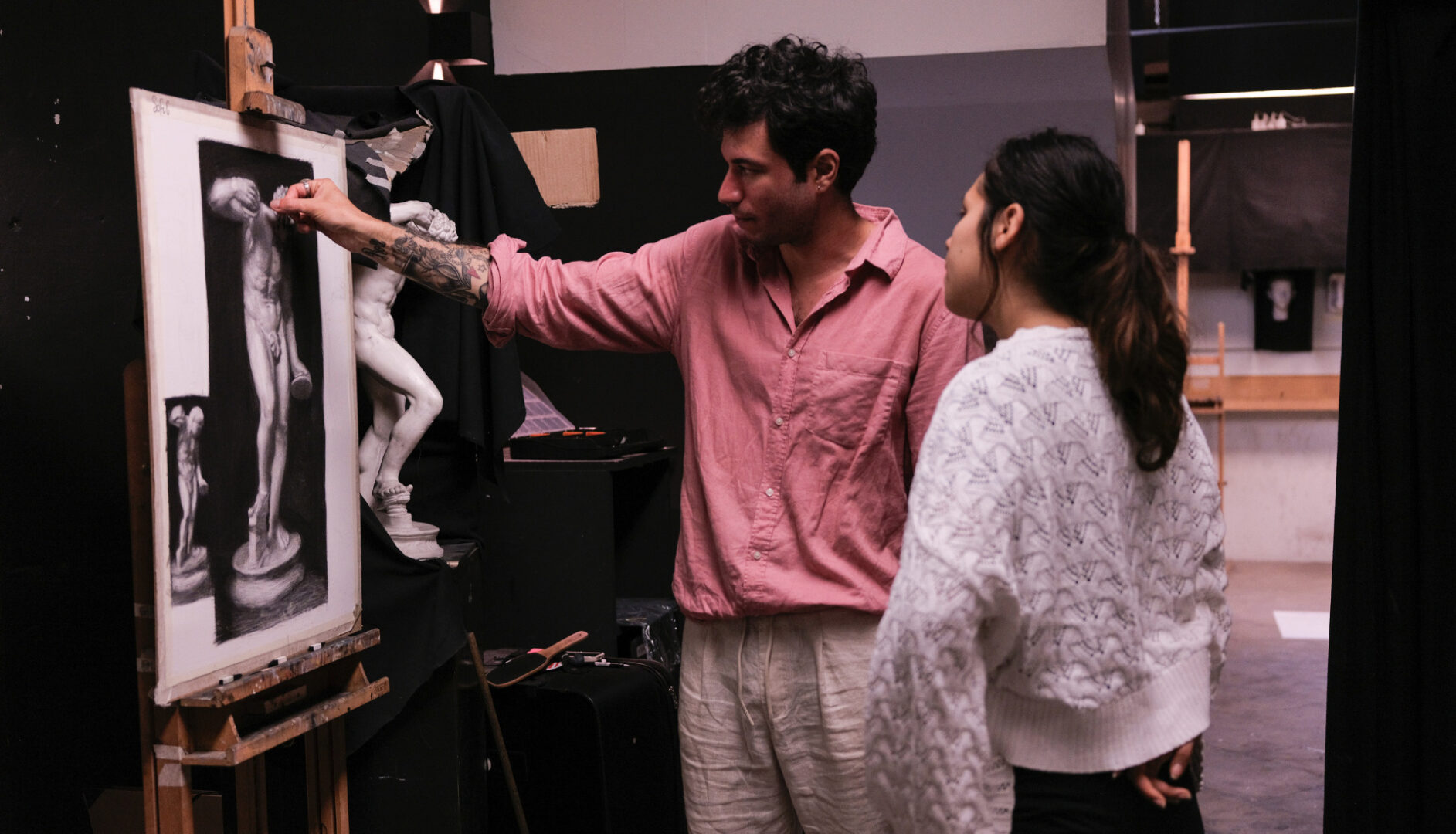
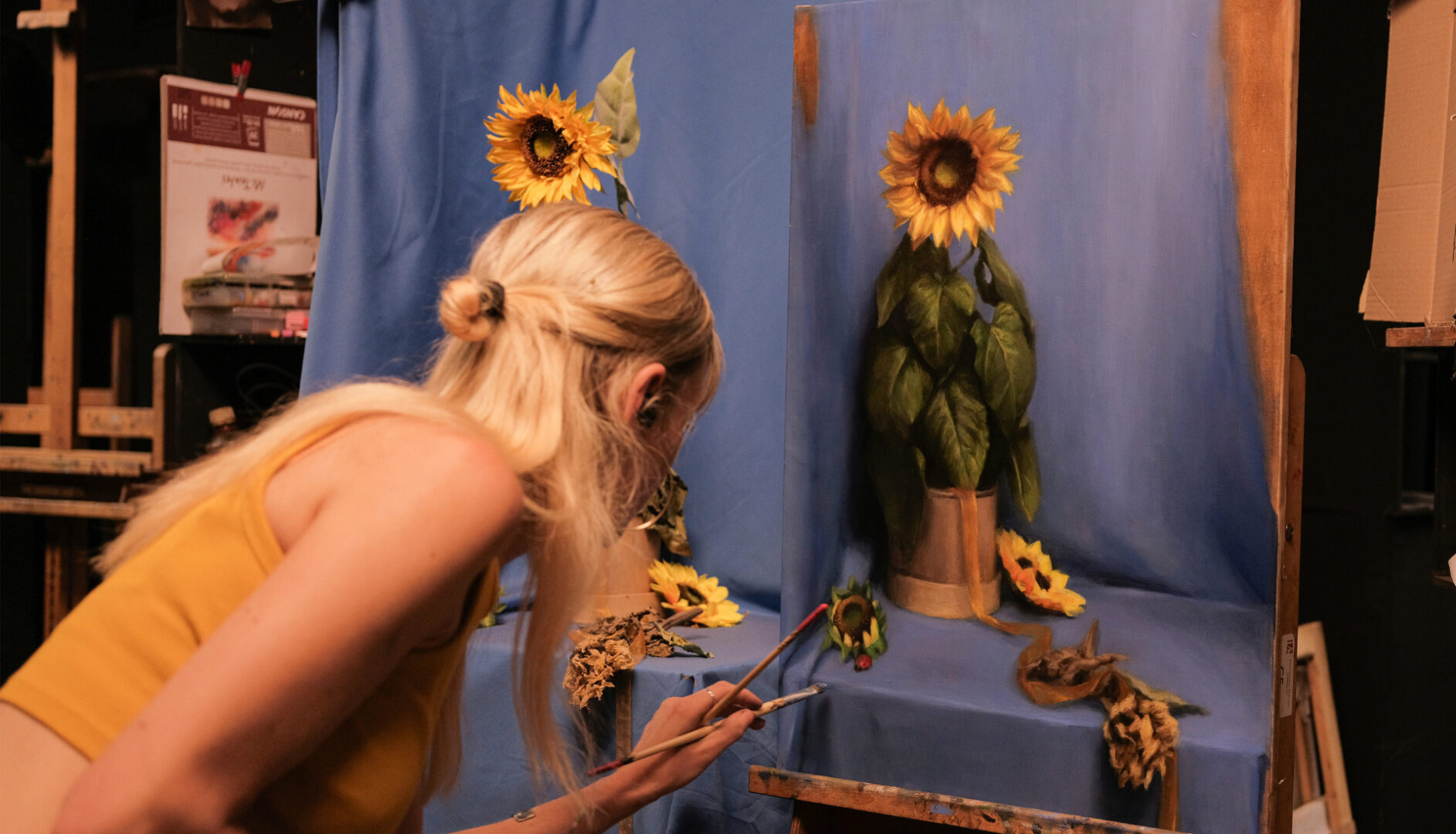
Full-Time Drawing and Painting Program in Barcelona
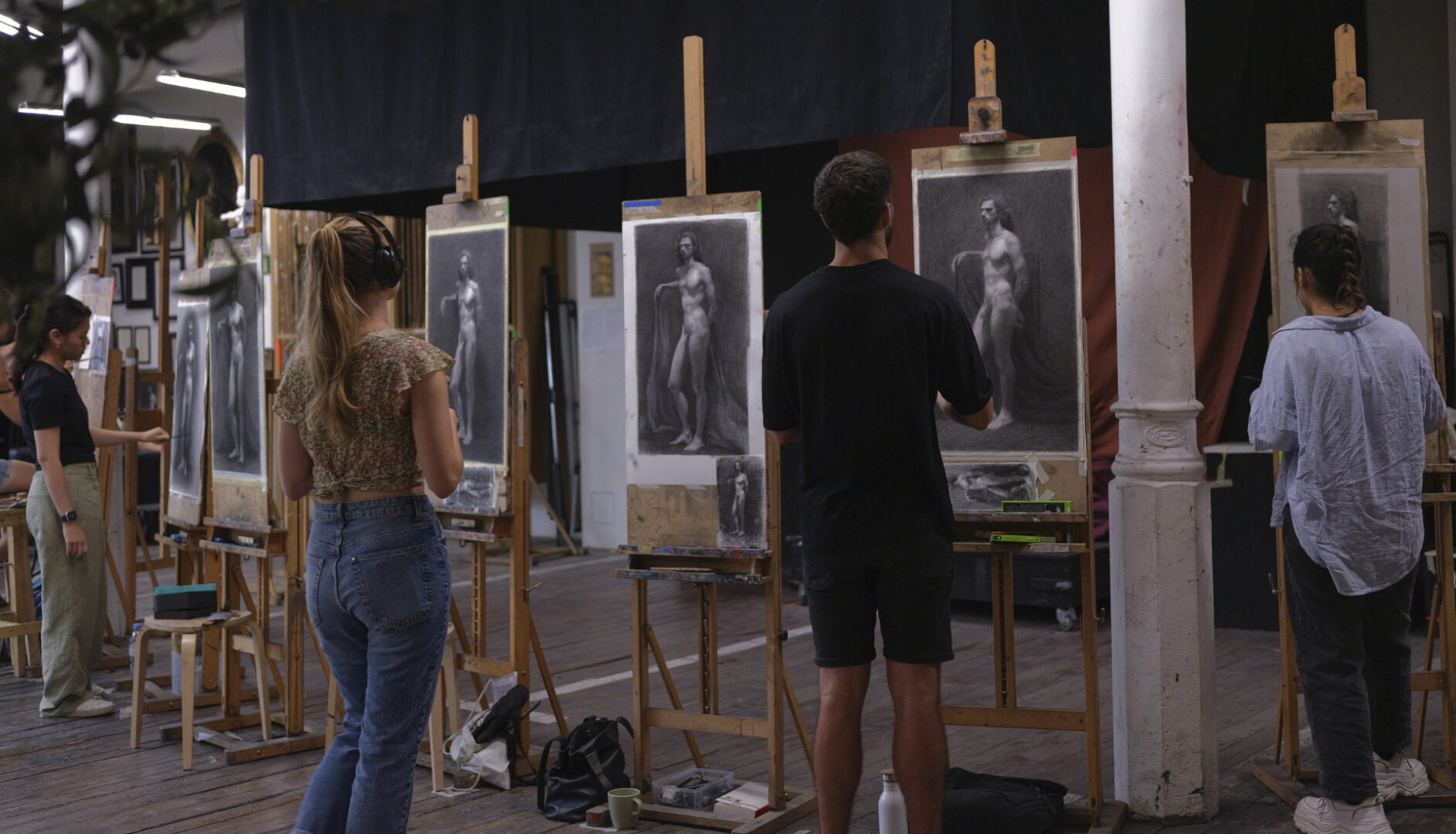
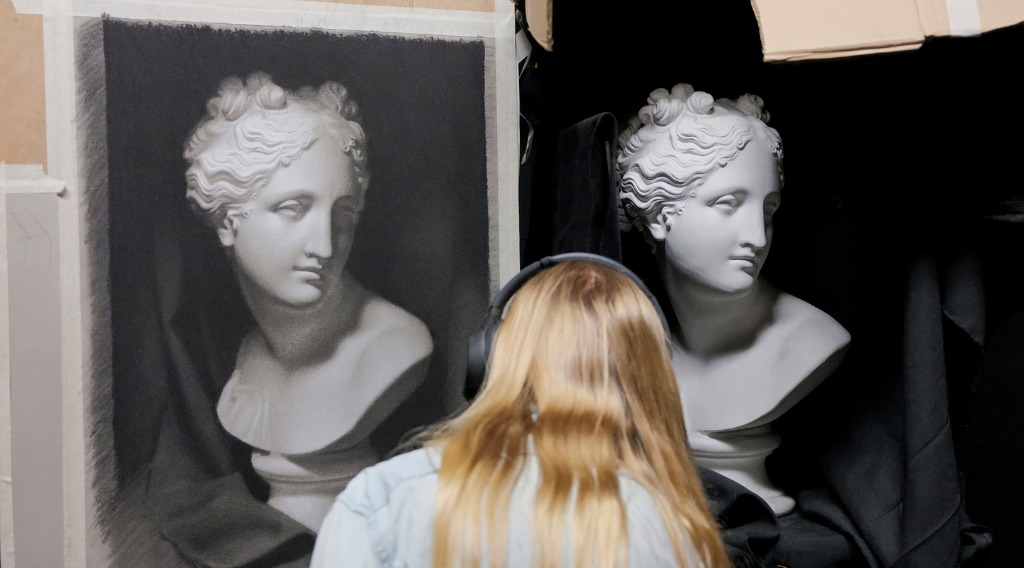
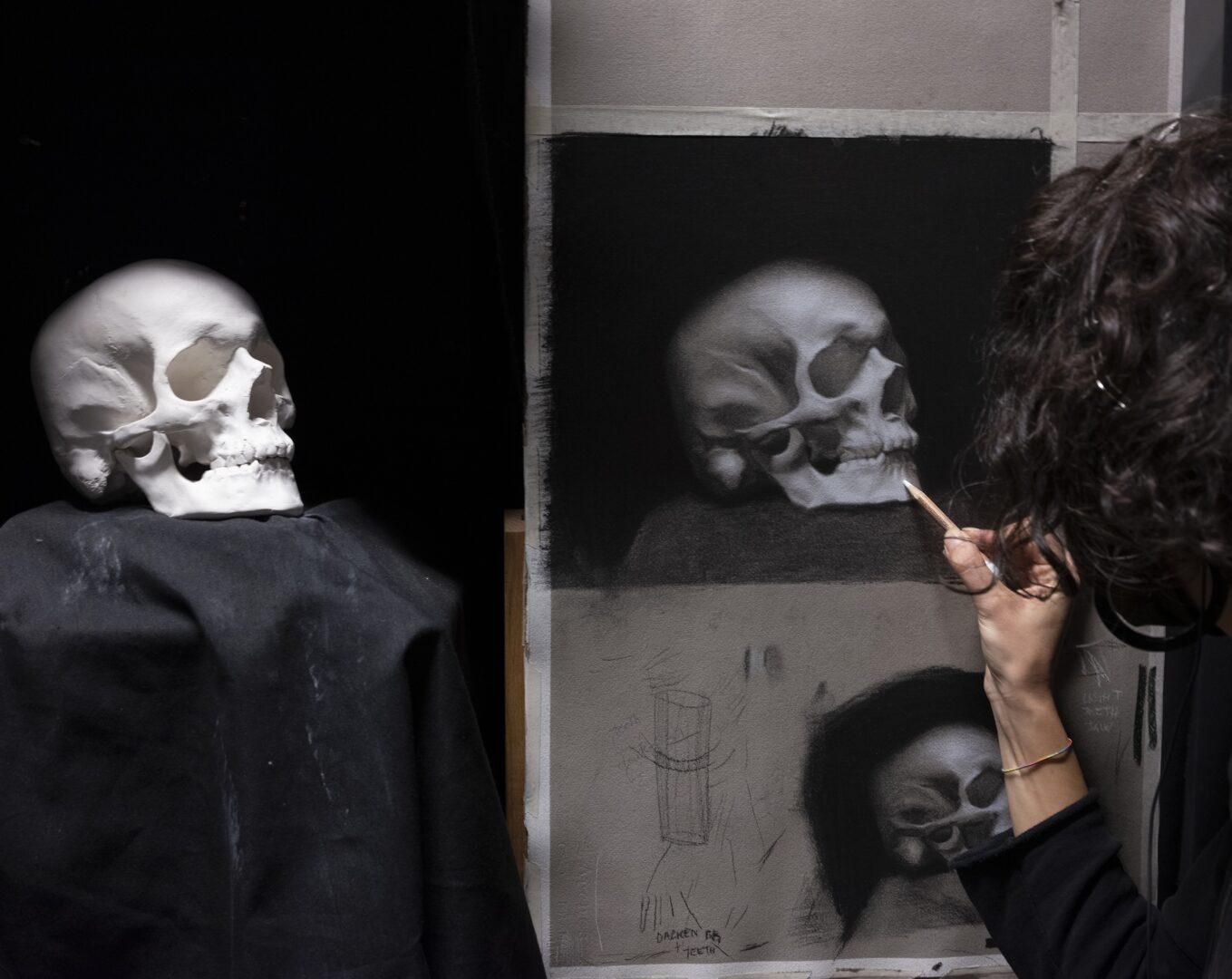
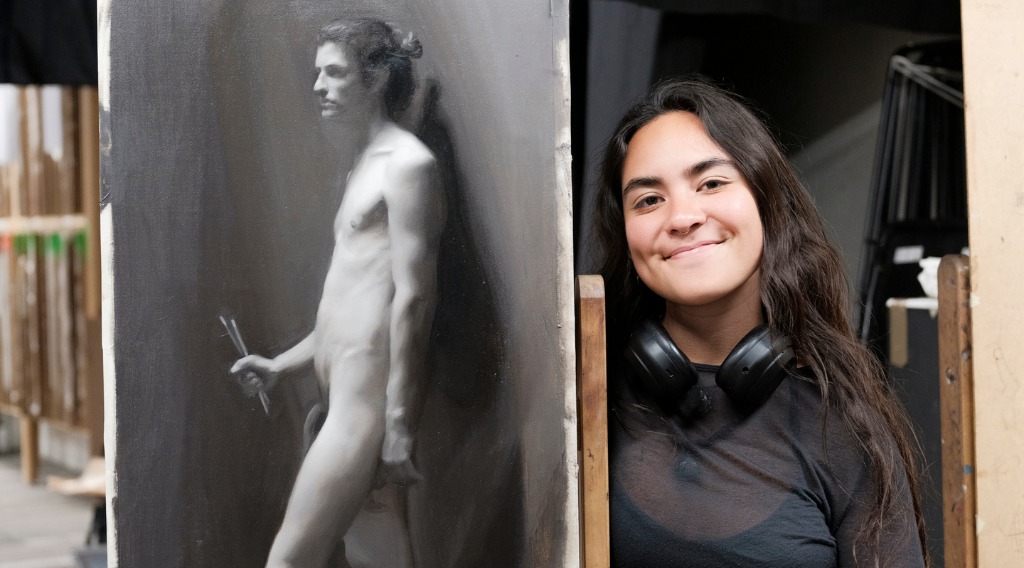
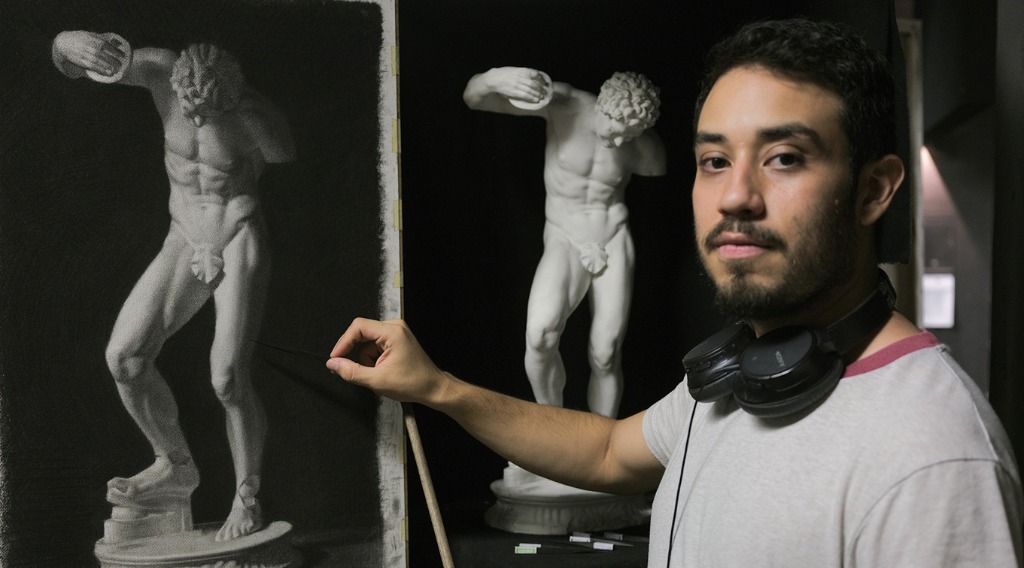
The Full-Time Drawing and Painting Program in Barcelona offers intensive training in academic drawing and classical painting through a structured, atelier-based approach. Students develop a strong understanding of proportion, anatomy, perspective, structure, light, colour and the human figure through sustained studio practice and direct observation.
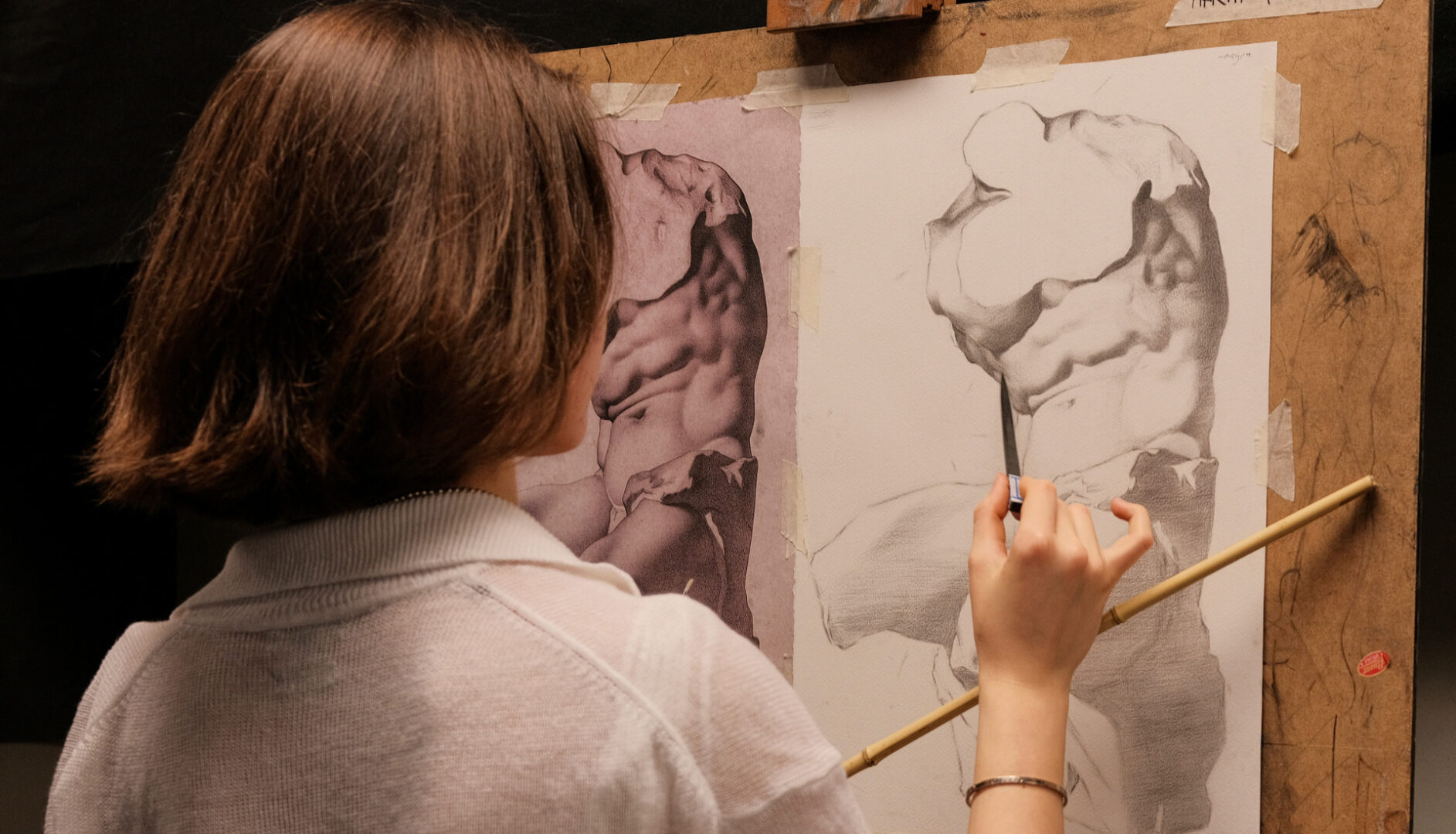
Drawing is the foundation of the program. Students begin by studying the human figure through pencil and charcoal drawing, as well as cast drawing, progressively developing their understanding of proportion, anatomy, structure, perspective, light and volume. Students must complete the full Drawing Program before moving on to Painting.
Once the drawing stage has been completed, students apply these skills to classical painting, developing their understanding of form, volume, colour and the relationships between light and shadow.
What You Will Learn
- Academic Drawing
- Proportion and measurement
- Gesture and structure
- Human figure anatomy
- Perspective
- Tonal values
- Chiaroscuro and the representation of light
- Figure drawing
- Portrait drawing
- Classical Painting
- Colour theory and colour mixing
- Tonal values and relationships
- Light and shadow
- Composition
- Modelling form through colour
- Still life painting
- Figure painting
- Portrait painting
- Landscape painting
From Drawing to Painting
The program follows a clearly defined academic progression. During the first stage, students focus on academic drawing and develop the observational and technical skills required to understand and construct form.
Students progress from foundational exercises to increasingly complex studies of casts, the human figure and portraiture. This stage establishes the technical foundation required before moving on to painting.
Once the Drawing Program has been completed, students progressively move into classical painting. The knowledge acquired through drawing is applied to colour, tonal relationships, light, volume and the modelling of form through paint.
Who Is This Program For?
The program is designed for students and artists who want to develop a strong foundation in academic drawing and classical painting, whether they are beginning their formal art education or looking to consolidate and strengthen their existing skills.
It is suitable for:
- Beginners and developing artists
- Students interested in academic drawing and classical painting
- Artists seeking structured atelier-based training
- Students interested in the human figure and portraiture
- Artists looking to develop a strong technical foundation
- International students looking to study drawing and painting in Barcelona
Drawing as the Foundation of Painting
At Barcelona Academy of Art, we consider drawing to be the fundamental foundation of painting. The ability to observe, measure and understand the human figure allows students to represent form accurately before addressing the specific challenges of painting.
For this reason, the Full-Time Drawing and Painting Program follows a clearly defined academic progression: students must complete the full Drawing Program before moving on to Painting. This structure allows students to develop a strong foundation in observation, proportion, anatomy, structure, perspective, values and light before introducing colour and painting techniques.
More information on the BAA Methodology here
Drawing Program
During the first stage of the program, students focus exclusively on academic drawing. Through a progressive series of exercises, they develop their ability to observe and measure, understand proportion and anatomy, construct the figure and represent volume through values and chiaroscuro.
Students progress from foundational exercises towards increasingly complex studies of the human figure and portrait. The aim is that, by completing the Drawing Program, students have acquired the technical skills and observational abilities necessary to approach painting with a solid foundation.
Painting Program
Once students have completed the Drawing Program, they progressively move on to classical painting. The knowledge acquired during the drawing stage is then applied to the study of colour, tonal relationships, light, volume and the modelling of form through paint.
This transition from drawing to painting allows students to approach colour and painting technique with an already developed understanding of form. Students can therefore focus on the specific challenges of painting while continuing to apply the principles of observation and construction developed during their drawing training.
Progressive and Individualised Learning
The program is structured around a progressive series of exercises and objectives. Although all students follow the same academic progression, each student advances according to their own pace, experience and development.
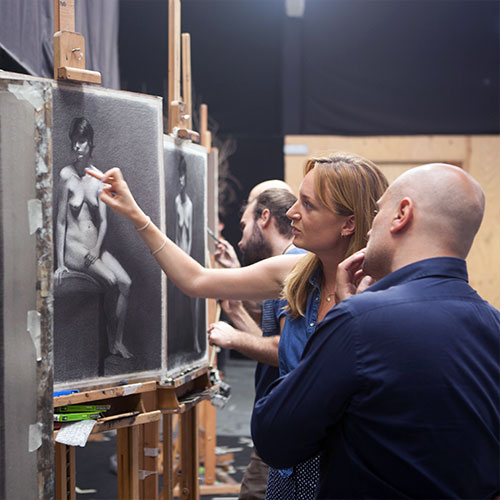
Each day, teachers visit individual workspaces and provide personalised corrections and critiques. This ongoing guidance allows students to identify areas for improvement, resolve technical problems and ensure that they consolidate the skills required before moving on to the next stage.
Critiques and Assessment
Individual corrections are an essential part of the learning process. Teachers work closely with students throughout their studio practice, providing technical guidance and helping them develop an increasingly deeper understanding of form, light and representation.
At the end of each term, students receive an individual final critique with their teachers. Progress is assessed according to attendance, performance, effort, attitude and overall progress.
In this way, the program follows a clear academic structure: students first build a complete foundation in drawing and, once the objectives of this stage have been achieved, move on to develop their painting skills.
The Full-Time Drawing and Painting Program combines academic drawing and classical painting within a progressive structure of studio exercises and complementary Friday seminars.
Drawing forms the backbone of the program. Students begin by studying the human figure and develop their understanding of proportion, anatomy, structure, perspective and light. These skills are then applied to painting, where students explore form, volume, colour and the relationships between light and shadow.
Weekly Schedule
Monday to Thursday: 10:00 am–1:00 pm and 2:00–5:00 pm
Evening Human Figure Pencil Drawing Sessions: Monday and Tuesday from 5:30 to 7:30 pm, Wednesday to Friday from 6:00 to 8:00 pm. One evening session per week is obligatory.
Friday Seminars: 10:00 am–1:00 pm and 2:00–5:00 pm. Seminar content varies depending on the term.
The detailed curriculum by year and term is shown below.
| Monday | Tuesday | Wednesday | Thursday | Friday | ||||||||||||
| First Year | Second Year | Third Year | ||||||||||||||
| Morning 10 - 13h | Long Pose Drawing | Long Pose Drawing | Long Pose Drawing | Long Pose Drawing | Fall and Spring: Art History — Winter: Light and Form — Summer: Landscape | Fall: Color — Winter: Portrait Drawing — Spring & Summer: Landscape | Long Pose Portrait Painting | |||||||||
| Afternoon 14 - 17h | Bargue Plates and Cast Drawing | Bargue Plates and Cast Drawing | Bargue Plates and Cast Drawing | Bargue Plates and Cast Drawing | Fall: Morphology — Winter: Portrait Drawing — Spring: Expressive Drawing | Fall: Tools & Resources —Winter: Portrait Painting | ||||||||||
| Evening 18 - 20h | 17:30 -19:30 Pencil Drawing | 17:30 -19:30 Pencil Drawing | 18:00 - 20:00 Pencil Drawing | 18:00 - 20:00 Pencil Drawing | 18:00 - 20:00 Pencil Drawing | |||||||||||
Program Duration
The time required to complete each assignment varies from student to student. The program is designed to allow students to progress according to their individual pace, experience and development.
As a general guideline, a full-time student typically completes the Drawing Program in approximately one and a half academic years and the complete Drawing and Painting Program in approximately three academic years.
One academic year consists of three terms, equivalent to approximately nine months.
The minimum enrolment period is one term (three months).
Students may begin the program at the beginning of any academic term and continue their studies on a continuous basis. Students can also take a break between periods of enrolment and return at a later date, continuing their studies where they left off.
Academic Terms
Fall Term 2026: 5 October – 19 December 2026
Winter Term 2027: 11 January – 27 March 2027
Spring Term 2027: 12 April – 26 June 2027
Summer Term 2027: 5 July – 17 September 2027
Tuition Fees
| 3 MONTHS | 6 MONTHS | 9 MONTHS | 12 MONTHS | |
| Full-Time Drawing and Painting Program | €3,190 | €6,380 | €8,789 | €11,000 |
Registration and Payment
Once the online form has been submitted and the student has been accepted, they will be asked to confirm their place by paying a non-refundable deposit. The non-refundable deposit corresponds to 10% of the total amount of the course in which the student has enrolled.
The remaining tuition fee must be paid by the dates specified by email when confirming the student's place, with one payment per enrolled term and always in advance. If the non-refundable deposit is not paid, the place will automatically become available to another student.
Consult the BAA Sales, Cancellations and Refunds Policy
Teachers
Members
Lorem Ipsn gravida nibh vel velit auctor aliquet. Aenean sollicitudin, lorem quis bibendum auci elit consequat ipsutis sem nibh id elit. Duis sed odio sit amet nibh vulputate cursus a sit amet mauris. Morbi accumsan ipsum velit. Nam nec tellus a odio tincidunt auctor a ornare odio. Sed non mauris vitae erat consequat auctor eu in elit.